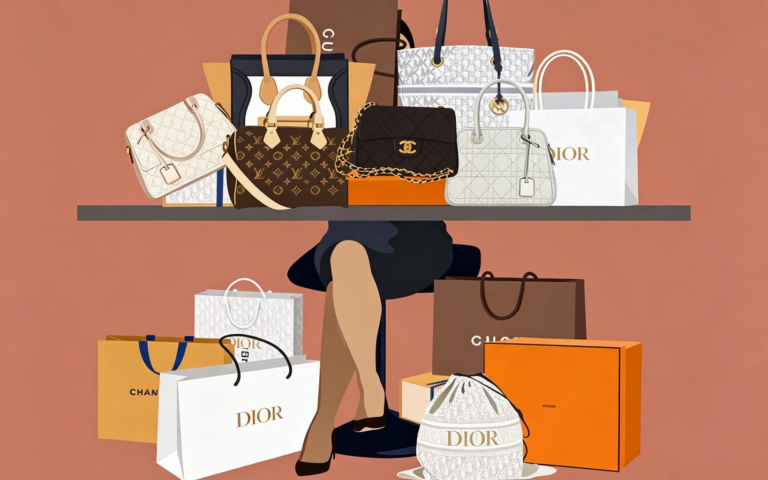
Let’s be brutally honest for a second. If you’re reading this, you’ve probably been burned before.
Maybe you spent $300 on what was promised to be a “1:1 Super Clone,” only to open the package and find a bag that smelled like toxic glue, with hardware so light it felt like painted plastic.
Maybe you got ghosted by a seller on WhatsApp after sending a crypto payment. Or maybe, like me a few years ago, you played the infamous “Lottery Game” with a middleman, praying the Pre-Shipment Photos (PSP) weren’t just stolen from a legit factory’s catalog.
I’ve been deep in the replica rabbit hole for over six years. I’ve bought the good, the bad, and the outright criminal.
If you are looking for a quick list of “Top 10 Fake Bag Sites” with shiny banners and pop-up codes, you’re in the wrong place. This isn’t a sponsored listicle. This is a raw, unfiltered field guide to buying designer copy handbags in 2026.
We’re going to tear down the marketing lies, decode the confusing jargon, and talk about where the actual insiders are spending their money right now to get true imitation designer bags without the anxiety.
Grab an iced matcha or a coffee. We have a lot of ground to cover.
The “AAA Handbag” Lie: Why You Need to Unlearn Everything
If there is one piece of advice I can give you to instantly elevate your buying game in 2026, it’s this: Stop searching for “AAA” anything.
Go to any major search engine and type in aaa bag, aaa purse, or aaa handbag. You will be bombarded with thousands of results from flashy websites offering “70% off retail” and “AAA+ Quality.”
🚫 THE RED FLAG: In the modern replica community, the term “AAA” is basically a giant warning sign.
Ten years ago, “AAA” meant the top tier. Today? It’s a marketing buzzword used almost exclusively by dropshippers to sell cheap fake bags to tourists and first-time buyers.
When a website uses the term aaa handbag today, it usually translates to: machine-stitched PU leather, hollow zinc-alloy hardware that will chip in three weeks, and a logo stamp that looks like it was done by a shaky hand.
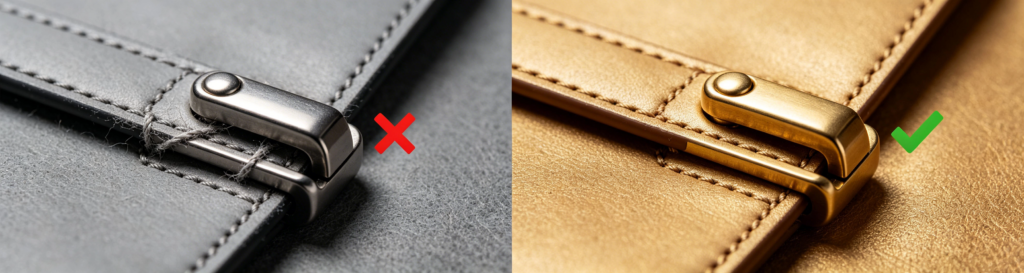
The real players in the designer bag knockoffs market don’t use these terms anymore. They talk about factory origins, leather tanneries, and stitch counts.
If you want to graduate from buying “mall-grade” fakes to acquiring pieces that can genuinely pass inspection in a high-end boutique, you need to learn the new vocabulary.
Decoding the 2026 Quality Tiers
Instead of relying on meaningless acronyms, here is how the insider community actually categorizes imitation designer bags today:
| Quality Tier | Material & Craftsmanship | The Verdict |
| Budget Tier | Cheap, stiff PU or low-grade split leather. Smells like industrial chemicals. | Avoid at all costs. |
| Mirror Quality | Real cowhide, correct basic dimensions. However, edge glazing and chain weight feel slightly “off.” | Mid-Tier. Fine from a distance, fails up close. |
| Super Clone | Hardware molds are 1:1. Leather sourced from identical European tanneries (like Haas or du Puy). | Top-Tier. Boutique-passable. |
| Lushentic Quality | Matches the complete sensory experience: the genuine raw leather scent, solid brass weight, and buttery interior lining. | The Holy Grail. Absolute perfection. |
The Middleman Trap: Why I Stopped Using Agents
For a long time, the standard method for buying designer copy handbags was to use a shipping agent. You’d find a factory catalog, send a spreadsheet, ship to a chaotic domestic warehouse, and pray.
It sounds great in theory. In practice? It’s a logistical nightmare for anyone who values their time and sanity.
- The QC Blindspot: Agents are warehouse workers, not luxury authenticators. You cannot see micro-flaws or misaligned chevron stitching through a blurry photo taken under terrible overhead fluorescent lighting.
- The Bait-and-Switch: Some unethical middlemen will buy a top-tier Super Clone from a factory but ship you a mid-tier version, pocketing the price difference. Because you never speak to the actual maker, you have zero recourse.
- The Time Sink: Sourcing, negotiating, consolidating, and shipping can easily take 4 to 8 weeks.
In 2026, I’ve shifted entirely to what I call the “Direct-to-Consumer Boutique” model.
Where I Actually Buy Designer Copy Handbags Now
I get asked constantly: “Okay, so where do you actually buy?”
I won’t pretend there is only one single factory in the world making good bags. For ultra-rare exotic skins or very specific seasonal colors, the hunt is always bespoke.
But for 90% of my everyday capsule wardrobe—the classic flaps, the canvas totes, the minimalist crossbody pieces—I need consistency, transparency, and zero headaches. I need a platform that operates with the professionalism of a legitimate luxury e-commerce site.
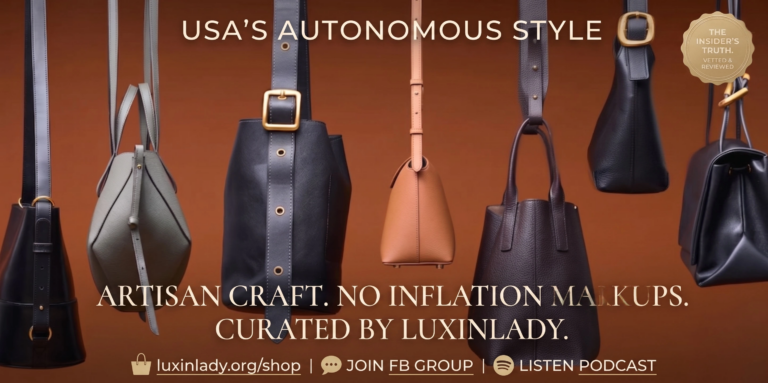
After testing over a dozen “premium” platforms this past year, the one that has consistently earned my repeat business is LUXINLADY.
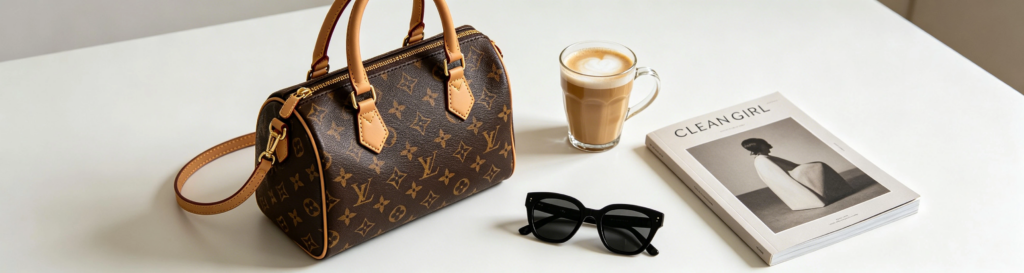
Here is exactly why they have become my default, and why they represent the shift in how high-end imitation designer bags are sold today:
1. The “Annoyingly Detailed” QC Process
Remember the blurry warehouse photos? They completely flipped the script. When you request QC on a bag, you get high-definition, macro-lens video and photo sets.
You can zoom in so close you can see the individual tension of the saddle stitching on the handle and the exact texture of the leather grain under natural sunlight. It completely eliminates the “Lottery Effect.”
2. Bypassing the “Keyword Soup”
If you search their catalog, you won’t find them spamming terms like cheap fake bags or aaa purse. They categorize their inventory logically by factory origin and leather type, treating their curated collection with respect.
3. Stealth Logistics in 2026
Let’s talk about the elephant in the room: Customs. In 2026, border patrols are using advanced AI scanners. The old trick of labeling a box as a “Gift” is dead.
This platform utilizes a sophisticated, multi-node stealth routing system involving secure transit hubs before final dispatch. They strip all factory tags and handle the complex import paperwork seamlessly.
Trust, But Verify: The Power of the Community
Here is the golden rule of buying designer bag knockoffs: Never trust a single blog post, a single reviewer, or even a website’s own claims. The market moves too fast.
Before I ever place a large order, I cross-reference. You need to see raw, unfiltered, user-generated content from real people who have nothing to gain by lying. You need to see the bags sitting on a kitchen counter in London or Southern California, not just in a studio.
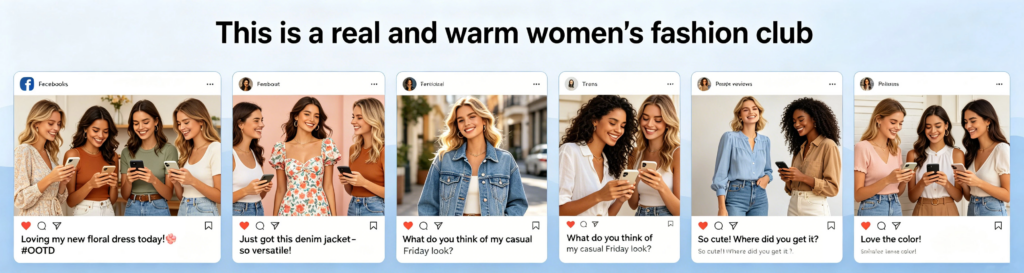
The real insiders have migrated to private, vetted communities. If you want to see exactly what is being produced this week, I highly recommend lurking in the LuxinLady Official Facebook Community.
It’s an incredibly active group where members post their daily “hauls,” side-by-side comparisons with their authentic pieces, and real-time shipping updates.
The “Microchip” Era: A Quick Tech Update
If you are buying modern classic pieces, you need to know that the era of the physical “Authenticity Card” or the Date Code is mostly dead. The major luxury houses have moved to RFID microchips and blockchain digital IDs.
The top-tier factories supplying the Super Clone market have adapted. They aren’t just faking the look; they are replicating the digital footprint.
When you buy a high-end piece from a trusted source today, the replica often includes a cloned RFID chip that pings correctly on a generic NFC reader app, showing the correct style code and color profile. Budget sellers still pushing aaa bags don’t bother with this tech.
The Philosophy of “Smart Luxury”
Let’s wrap this up with a bit of philosophy. Why do we do this?
Because we aren’t buying a brand name. We are buying design, aesthetic, and genuine craftsmanship.
The authentic luxury market in 2026 has become a game of artificial scarcity and aggressive price hikes. A classic bag that cost $4,000 a few years ago is now pushing an astronomical price point. Ironically, the retail quality has often gone down due to mass production.
When you source a true Lushentic Quality piece from a transparent platform, you are opting out of that retail game. You are paying for the actual leather, the solid brass, and the hours of hand-stitching. You are engaging in Smart Luxury.
You get to walk into a high-end restaurant, a gallery opening, or a boardroom with a bag that commands respect, without feeling financially held hostage by a marketing department.
🎧 The Audio Deep-Dive (For Your Commute)
I know this is a massive wall of text. For those who prefer to listen while driving, heading to Pilates, or grabbing an iced matcha, I recently sat down for a long-form audio deep-dive on Spotify.
In this episode, we discuss the exact factory shifts happening right now in 2026, the death of the traditional “middleman,” and the psychology behind adopting Smart Luxury. It’s the perfect companion piece to this guide.
🎧 Stream the full episode on Spotify here:
👉 Beyond the AAA Label: Sourcing True 1:1 Luxury in 2026
Final Thoughts Before You Checkout
The market for designer copy handbags is wild, unregulated, and full of traps. But it is also full of incredible artisans. Remember these three rules:
- Ignore the “AAA” marketing. Look for factory details, leather origins, and macro-photography.
- Demand Transparency. If a site won’t show you high-def, unedited macro QC videos, walk away.
- Verify via Community. Always cross-reference your seller in active private groups before sending money.
If you want to skip the trial-and-error phase that cost me thousands of dollars and years of frustration, start your research with platforms that prioritize transparency over a quick buck.
Explore the current batch listings at LUXINLADY, join their community to see the raw user reviews, and see what true 1:1 craftsmanship actually looks like.
Happy hunting, and may your edge-paint always be flawless. ☕✨